
2020. We all remember where we were and what we were doing. I lived in one of the first cities on lockdown. I lived in Bushwick in Brooklyn, New York, and was just a few days shy of my 21st birthday. At one point, I lived in the most affected neighborhood in the United States. I remember summertime, ambulance sirens wailed outside my apartment all week. I received news of people who I grew up around passing. The friends I made when we all moved to New York to chase our dreams were suddenly packing up and heading home. We even dubbed it the “Mass Exodus.” Eventually, after months of isolation and scrolling social media with endless terrible news, a little opening to normalcy arrived, but not much. I decided to move back to Texas, feeling defeated by the uncertainty of where my life and career was going to go in the big city.
Despite being back in a place I found familiar and allowed back outdoors, there was still a lingering, constant anxiety throughout my nervous system. I couldn’t socialize like I used to. I wasn’t waking up with excitement to see where life would lead, I was just living life. Even when masks weren’t mandatory anymore, I began a habit of wiping down surfaces with antibacterial wipes someone barely touched or sat in, boiling silverware, washing my hands until they were cracked and dry. It transformed into tapping while counting to sixteen, afraid something bad would happen if I didn’t complete the compulsion. I spent weeks at a time stuck to my bed, unmotivated, feeling hopeless in life.
A year later I was diagnosed with obsessive-compulsive disorder along with other co-morbid conditions. Years have passed and life has been better since getting the help I needed, but every time my birthday passes and the weather gets warmer, I can’t help but feel a period of those all-consuming feelings again. I always called it my “seasonal depression” despite most attributing the label to the dark cold nights of winter. Recently, I had a conversation with my colleagues about my summer blues and suddenly remembered where it all began.
I haven’t felt the same since 2020, and I wondered if this was a phenomenon that affected many others.
The World Journal of Psychiatry published an article in 2025 titled, “Post-pandemic mental health: Understanding the global psychological burden and charting future research priorities,”
cited research from The Global Burden of Disease Study 2021. According to this study, anxiety and depression were estimated to have increased globally by 25%-30%. More specifically, frontline healthcare workers were noted for exhibiting symptoms of post-traumatic stress disorder. Those who survived COVID-19 began experiencing long-term physical and mental effects (dubbed “Long COVID”). Survivors were reported to have “brain fog” and other deterioration to mental health. Suicidal ideation was also reported to have increased post-pandemic in youth and young adults.
According to the National Institute of Mental Health brain scans of the same age group were shown to exhibit accelerated brain aging due to stress.
These studies seem to support my theory. It was a tough time for many. We suddenly were in a deadly pandemic. We had to quickly adjust to quarantine. Our routines were completely changed. Friends and family could only be reached through phone. Human interaction was limited. Social media was our only access to the world. The news was filled with death, protests against police brutality, arguments for and against medical autonomy, and xenophobia against people of east Asian ethnicity. Students entering their final years in high school and college were suddenly spending what was supposed to be a celebratory time behind a computer screen. People we knew were dying, and because of necessary restrictions weren’t able to say goodbye or even attend funerals. Those who already suffered from mental illness were further isolated in uncertain times.
Then suddenly, once restrictions were dismissed, we had to carry on with those experiences.
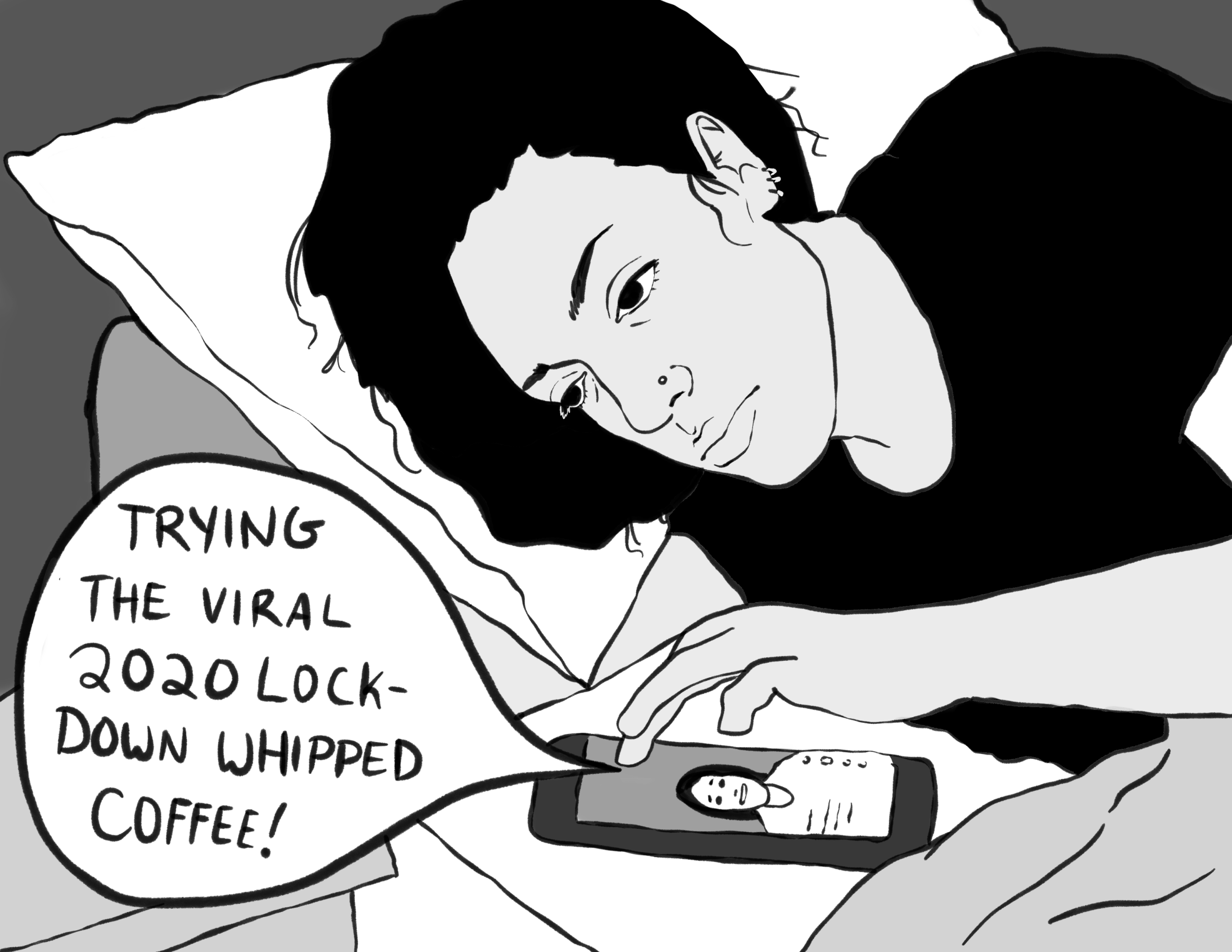
2020 is not a common passing conversation topic I’ve heard recently. It has been over five years, yet I still feel like it didn’t happen that long ago. Though I think for every year we pass, the topic becomes more comedic. I see TikTok content creators posting “COVID fashion/recipes/activities-core” and visually joke of what we all collectively did to cope with lockdown.
I believe as a society we did our best to bury the turmoil we experienced to return to normalcy, but I believe the lasting impact post-pandemic has been swept under a rug. I don’t think we ever returned to the way things were. With studies showing a significant percentage of mental health changes by the pandemic, it is important to continue to have awareness and conversations regarding the long-term effects the COVID-19 pandemic had on our friends, family, and ourselves.