
The last thing most people want to see after they have been drinking is the police. But it’s a different story when the police are buying.
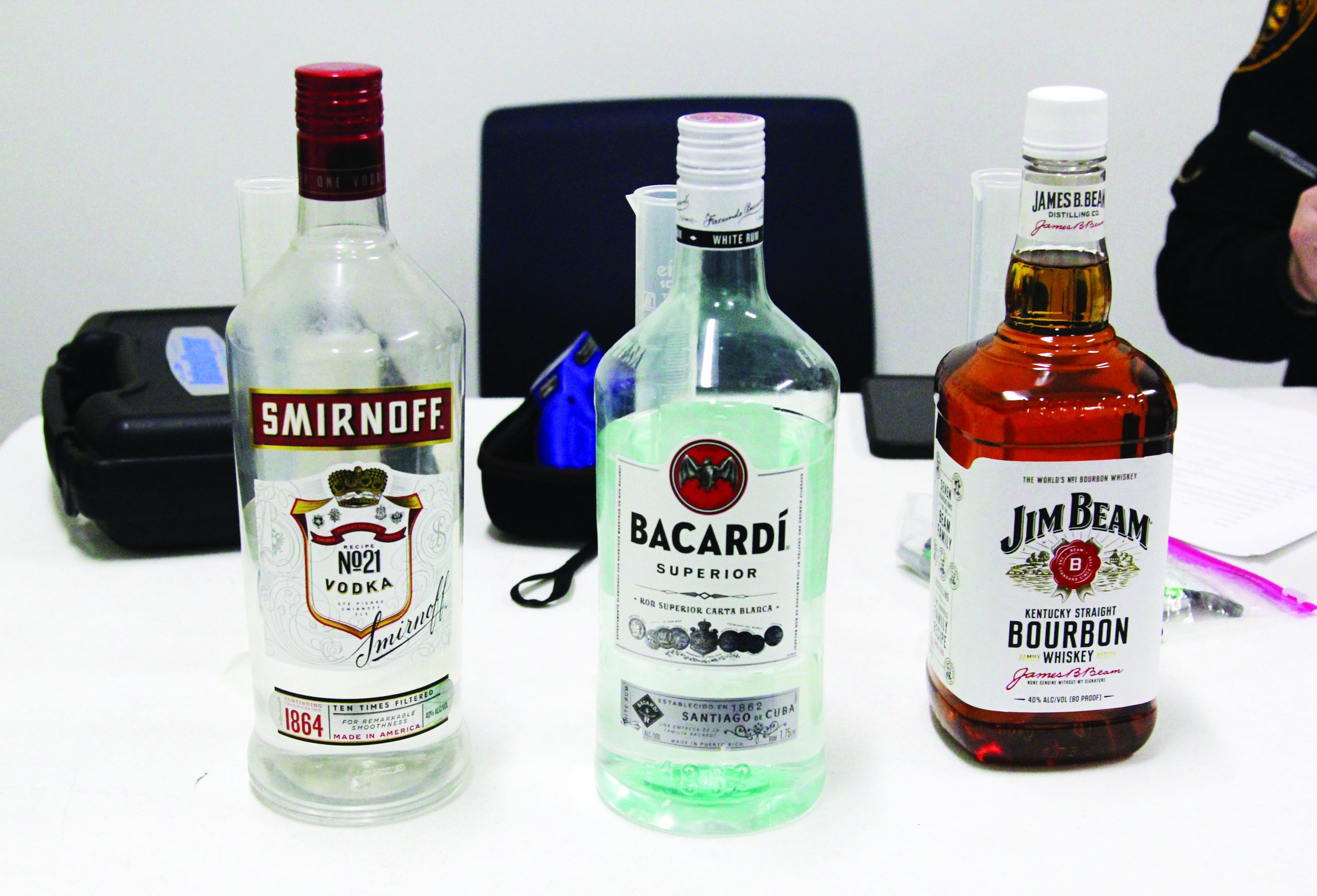
A dozen citizens tossed back a few drinks in the name of public service on Sept. 24. The service was to help Corpus Christi police cadets train for the Standard Field Sobriety Test.
About a dozen participants volunteered for police to get them intoxicated above the legal limit for the purpose of cadets’ training and performing their annual Standard Field Sobriety Test. Participants in the Citizens Police Academy can volunteer for this event. Anyone interested in joining the academy can apply at https://www.corpuschristitx.gov/department-directory/police-department/volunteer-member-programs/.
As part of their DWI training cadets must learn to correctly perform SFST and how to identify when a person is intoxicated. There are three Standard Field Sobriety Tests: “horizontal gaze”, “walk and turn”, and the “one-leg stand.” Cadets get better hands-on training and get to see intoxication signs on a live subject rather than strictly watching media training videos. Cadets are set to graduate in February 2026.
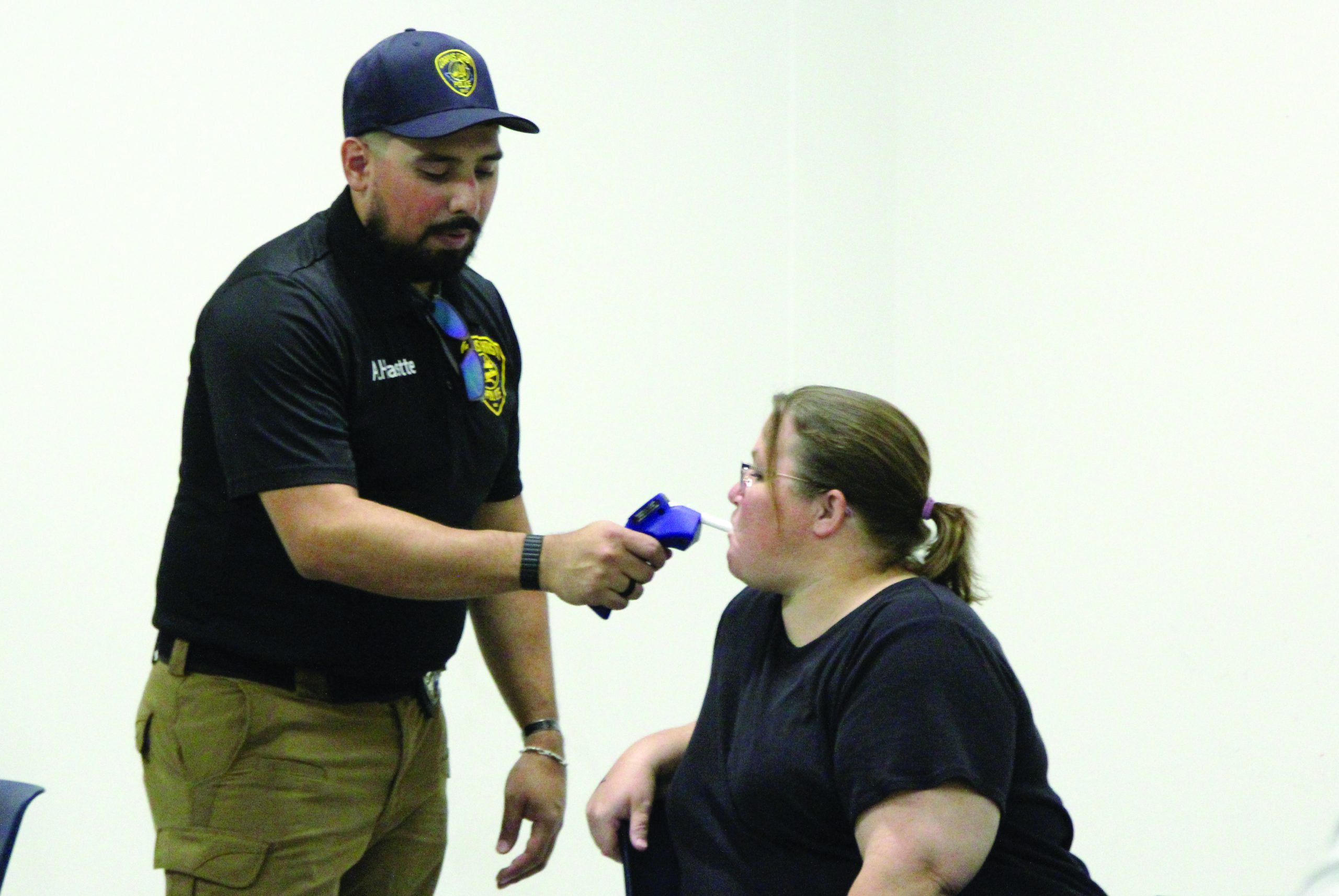
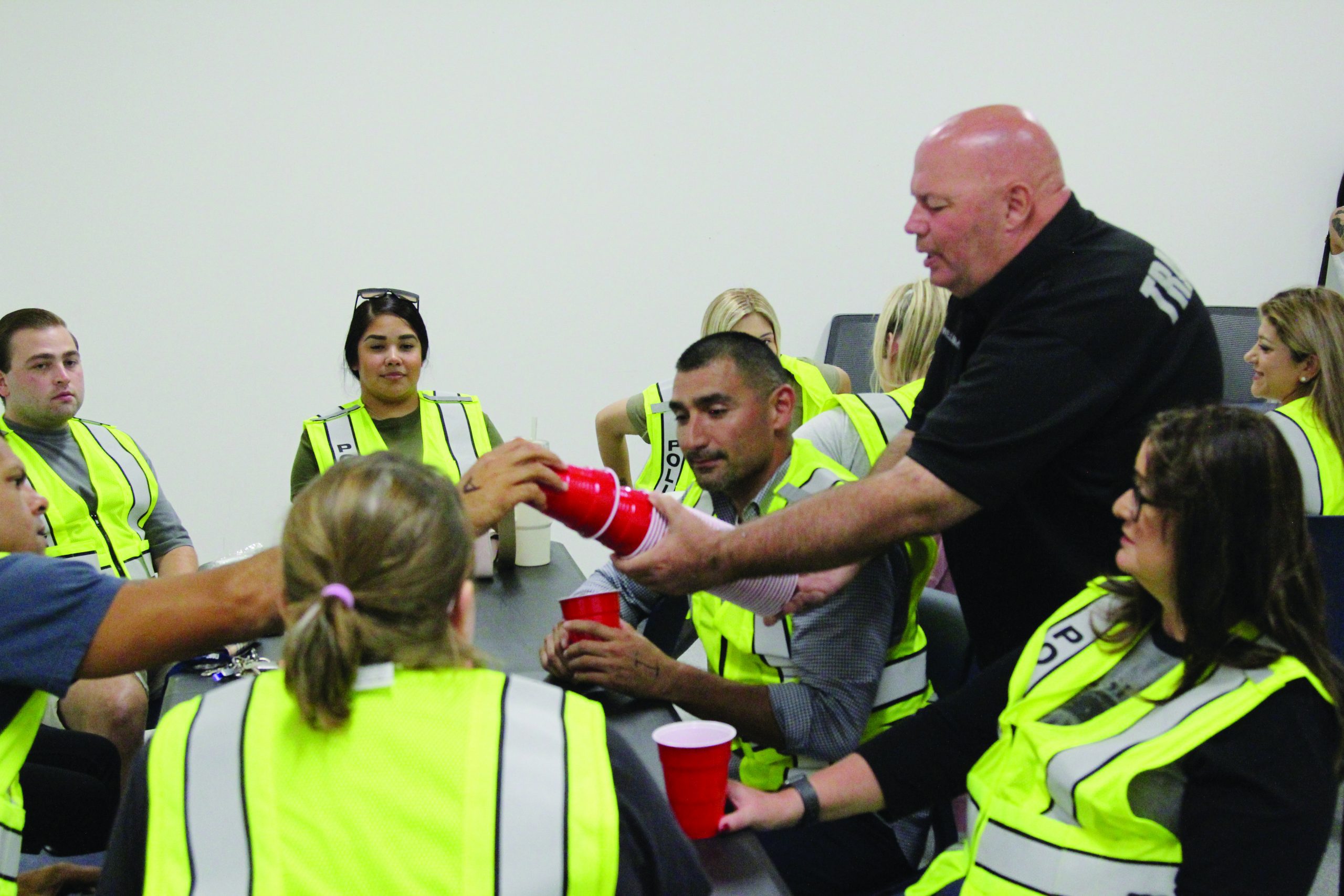
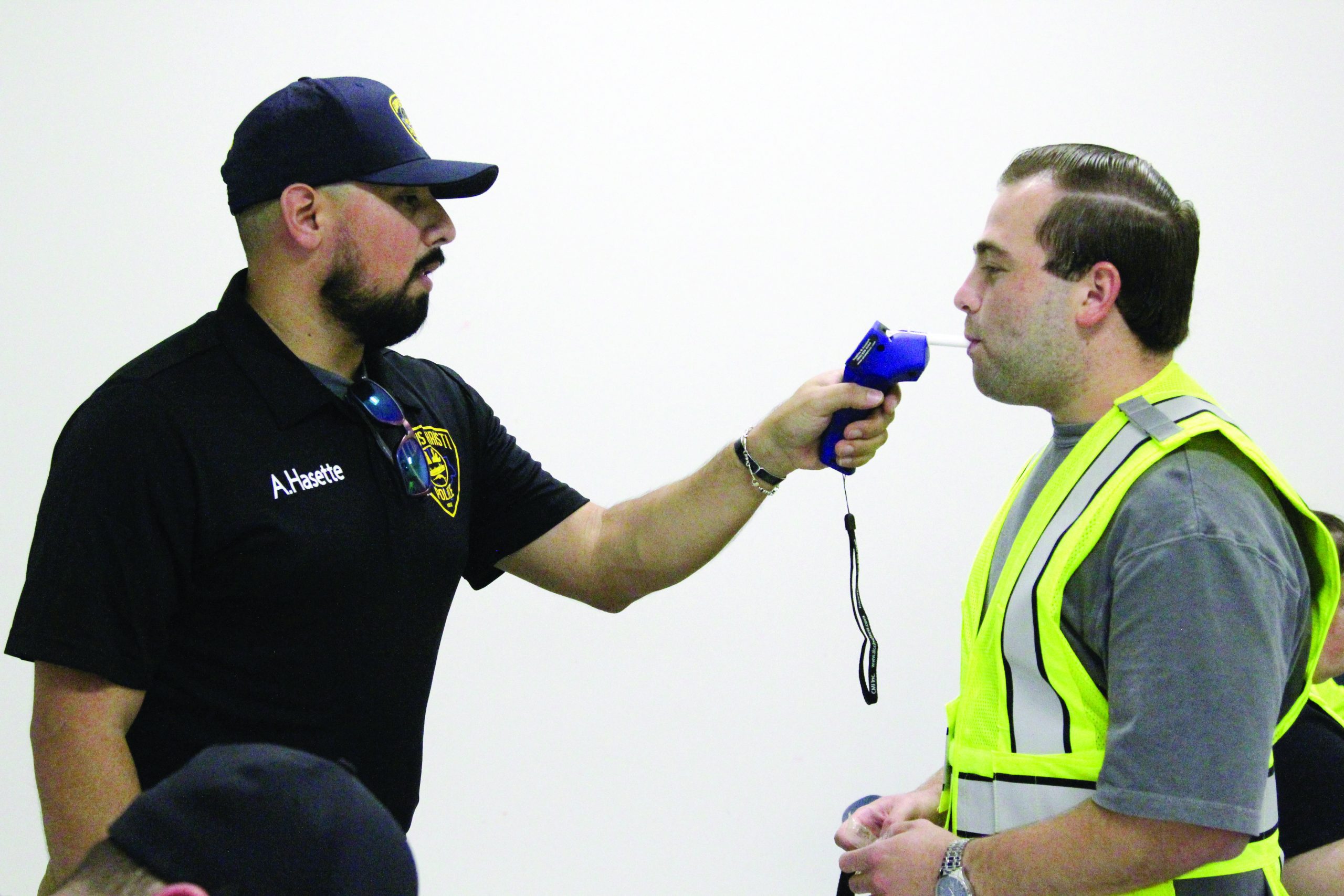
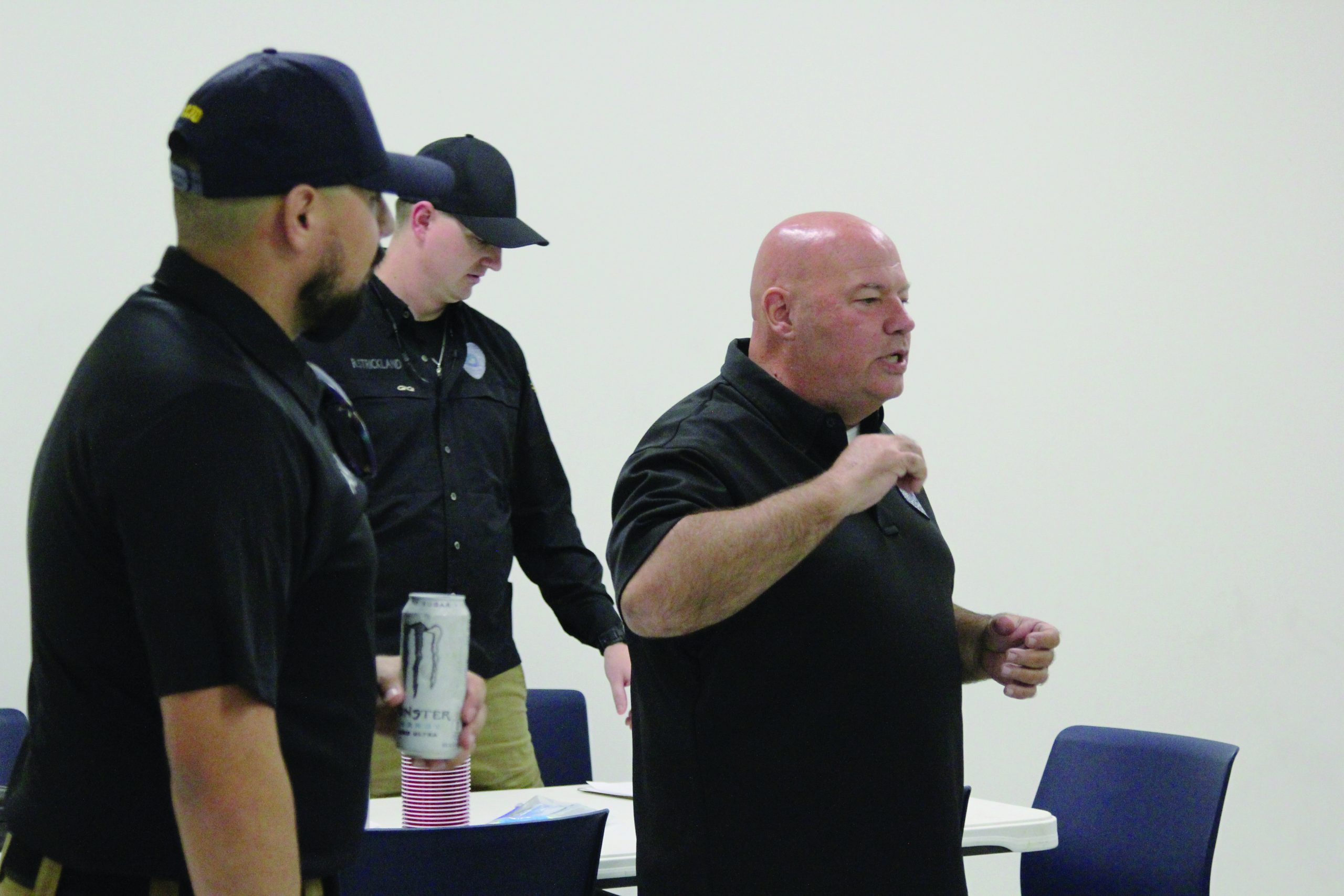
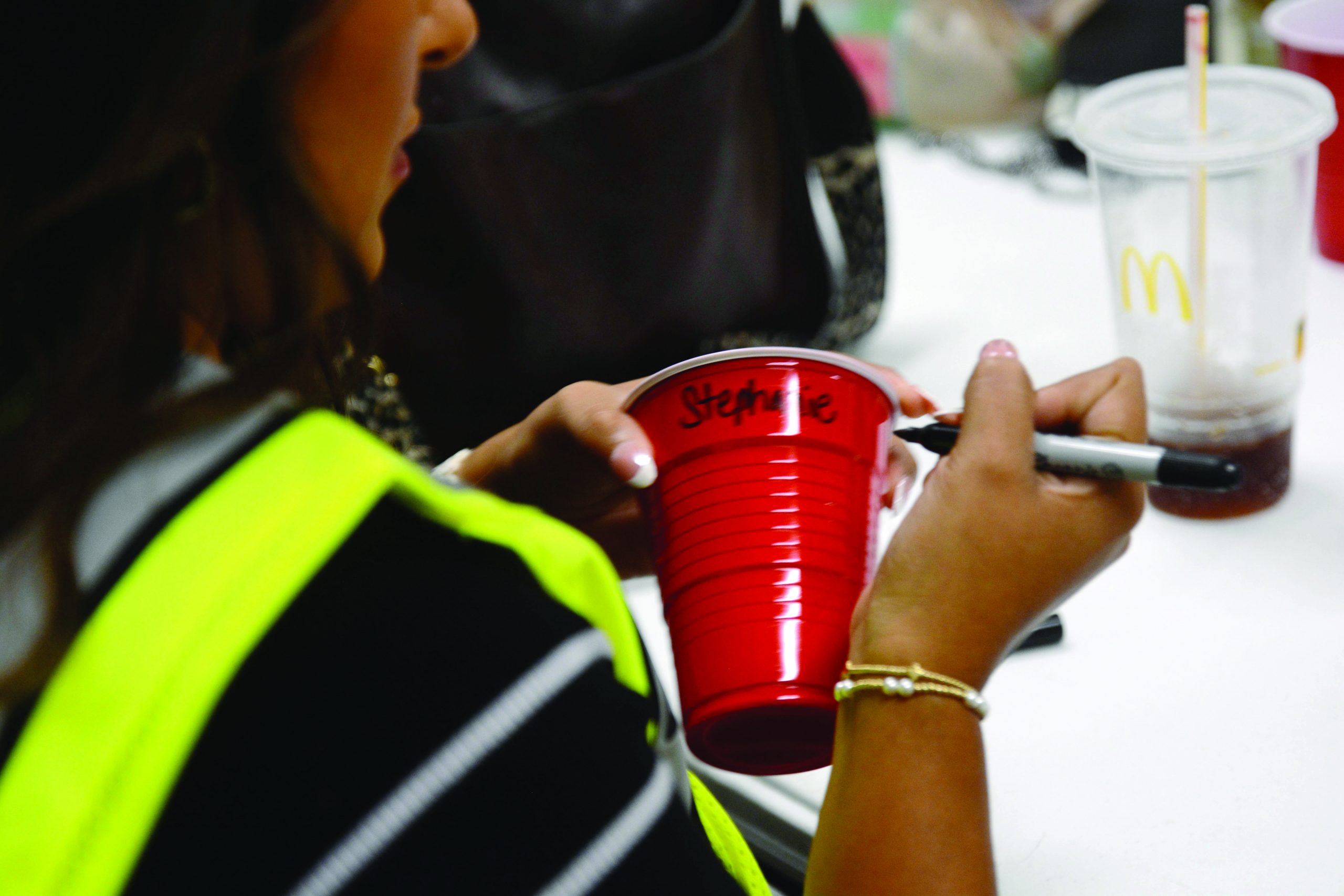
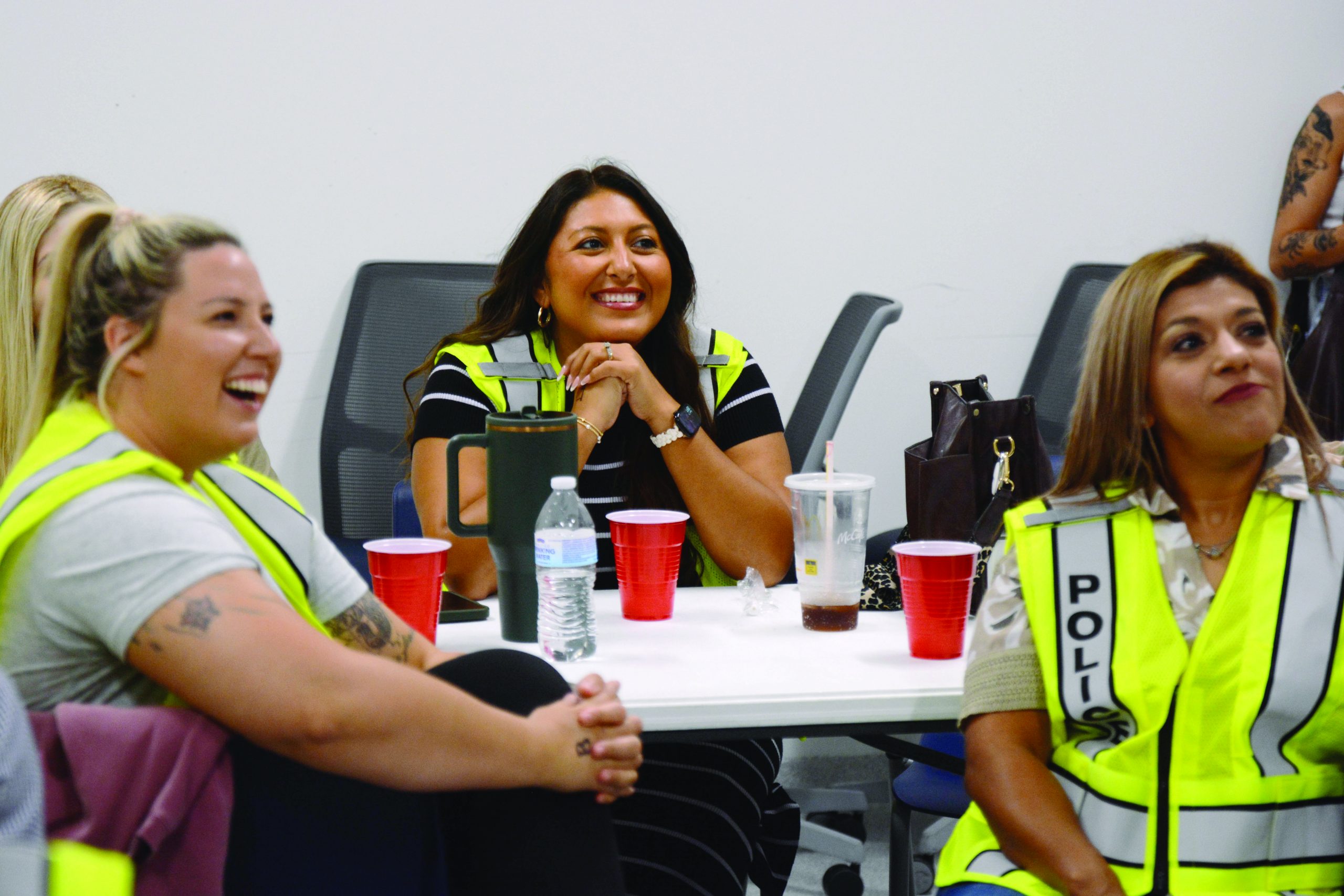
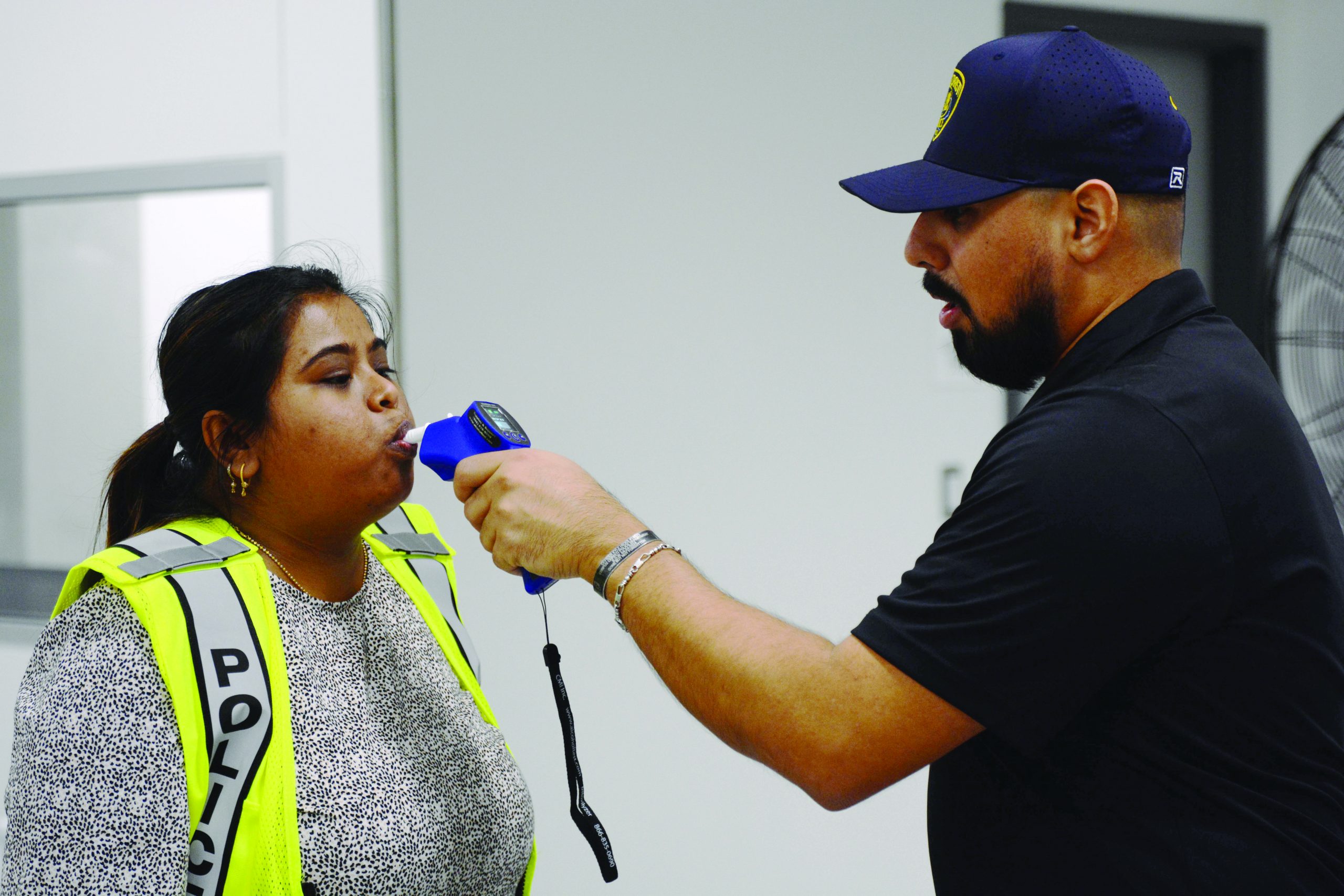
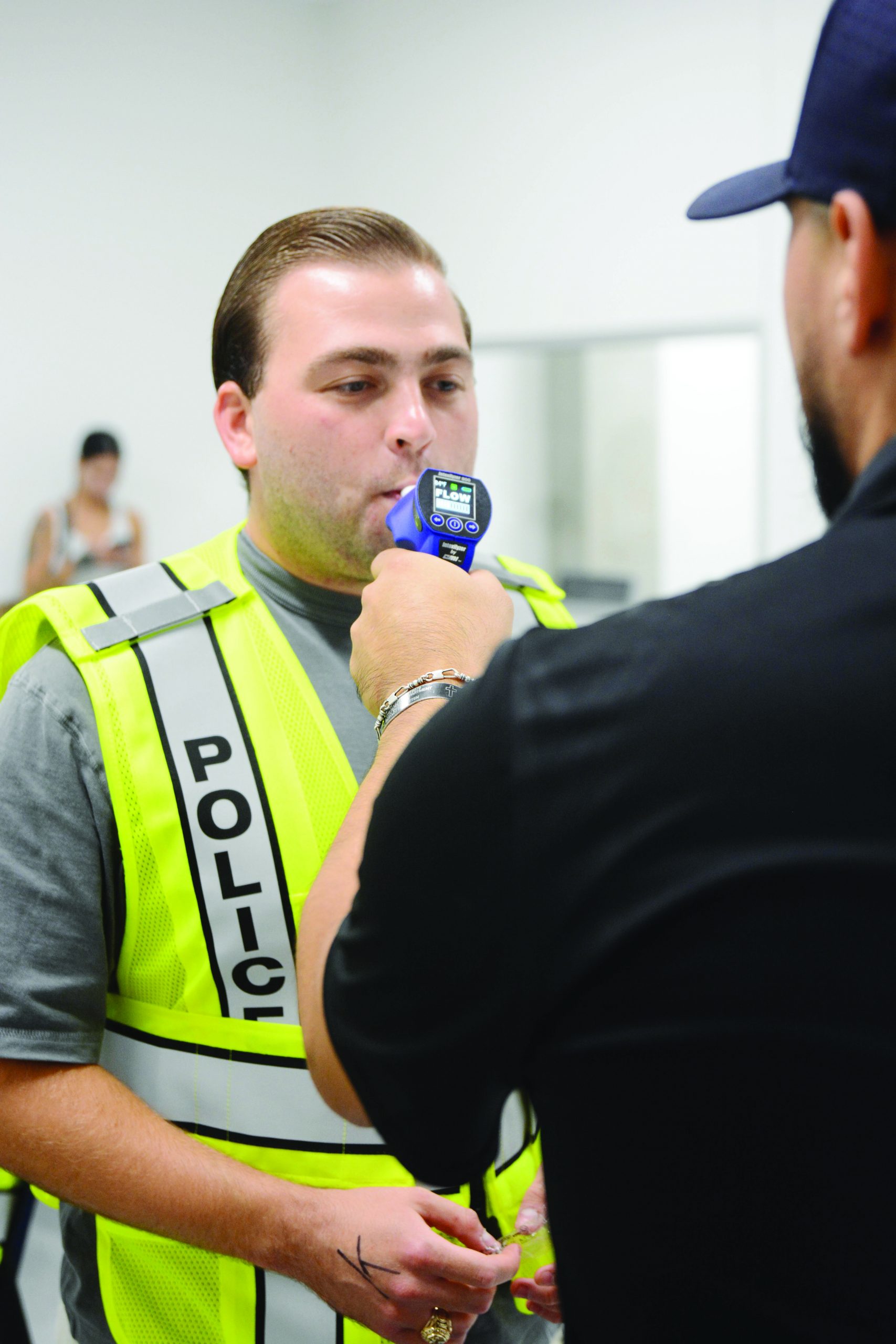
“First and foremost, safety. And it’s true for every scene we’re on,” Senior Officer Donna Schmedicke said of the exercise. “Everything is controlled… they sign a waiver that they have to have a driver take them home.”
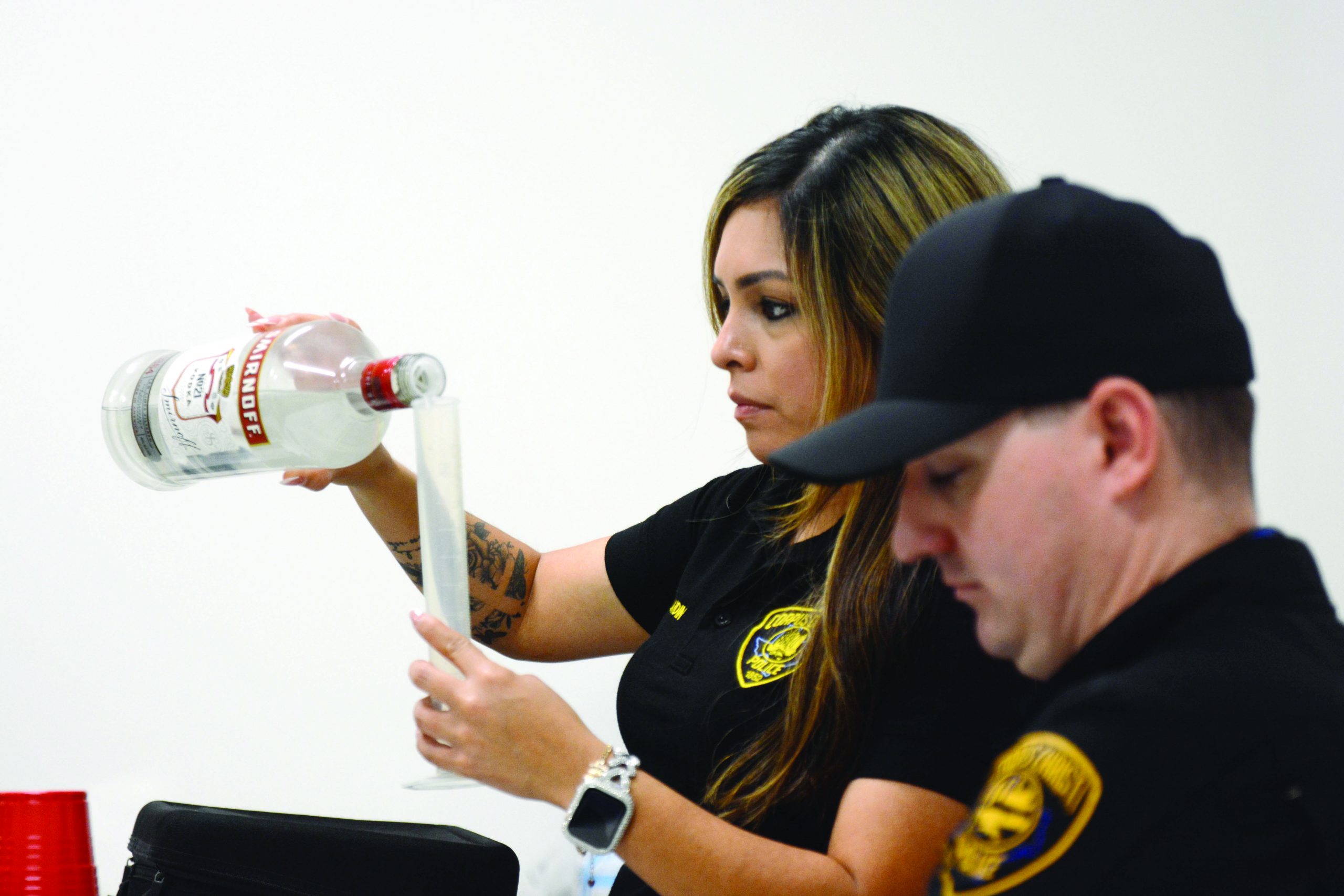
Citizens volunteered to be put over the legal limit of .07 in order for police academy cadets to get a first-hand look of what it’s like testing a person that is intoxicated. The vitals and weights are taken from each subject before the dosing of alcohol takes place. The alcohol is then measured, and subjects are given a specific amount based on their body weight. Then they are quickly put over the legal limit of .07 and given the option to opt out if they feel they cannot drink anymore. There is one sober person out of 12 subjects and the cadets’ job is to make an arrest and figure out who is intoxicated or not.
“It’s more beneficial for them to see it on a live subject,” explained Schmedicke. “Preparing cadets for chaotic, unexpected situations; that’s our job no matter what. That’s why we want to give them intoxicated people. They say things out of the blue, they make sudden movements you’re not ready for and having an actual intoxicated person helps a lot.”