
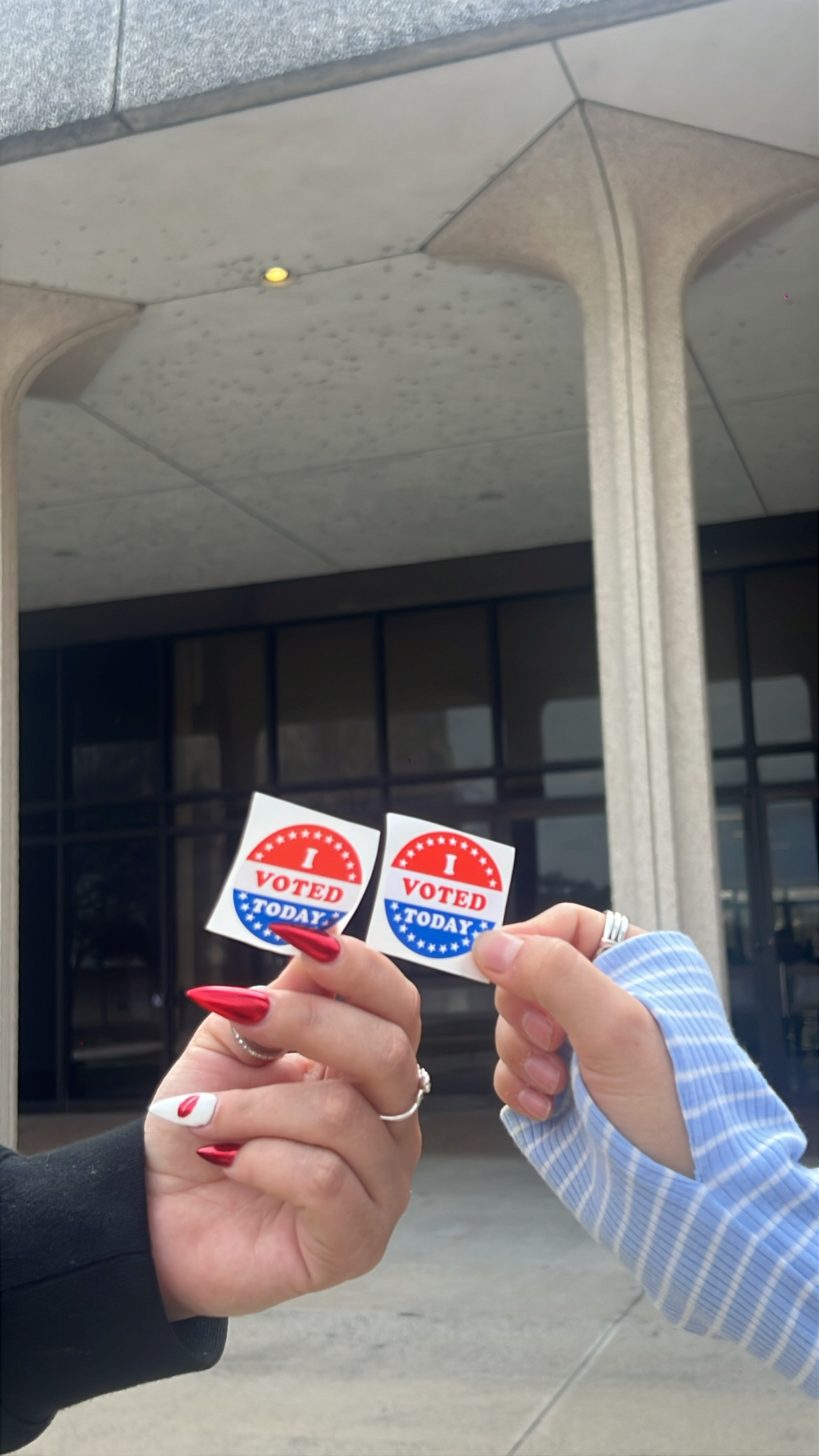
Voter turnout trends for young adults highlight a complex mix of enthusiasm and disengagement, and includes obstacles that decide whether they will show up at the polls.
A 2025 study conducted by the Center of Information & Research on Civic Learning and Engagement by Tufts University estimates that roughly 47% of registered youth cast a ballot in the 2024 presidential election. A higher percentage of eligible 18- to 29-year-olds are engaging more strongly in the presidential elections than they are in the mid-term elections.
Mid-term turnouts remained far lower at just under 25% nationally in 2022, emphasizing the persistent gap between general and midterm elections.
In Texas these patterns are even more noticeable. Youth turnout in midterm elections have decreased, with only about 25% of registered voters between the ages of 18-29 years old voting in recent elections. This is below the state average. “This bipartisan system we have does not work,” said Del Mar student John Benes. “The Democrats and Republicans have more in common than we’re led to believe.”
A 2022 study conducted by the Texas Tribune suggests that barriers such as the lack of on-campus polling sites, stricter voter ID laws, not accepting college IDs and no same-day registration have made it harder for college students to vote.
Student Alyssa Padia said there is not enough information about how to register or where to go to vote, leaving her with one option.
“I don’t know how to do any of that stuff, [high school] never taught me that. I just don’t vote,” she said.
Still, a lot of young adults skip elections, not just for reasons of being busy, but because they feel uneducated or even unprepared. The Tufts study also shows that the younger the generation is, the less likely they are to follow politics closely or see voting as extremely important.
Despite these obstacles, youth voting remains a powerful force. When mobilized, they can easily sway an election’s outcome, especially in competitive states.
“It is a privilege that we live in a democratic society where we have the right to vote for our own leadership,” explained Del Mar student Paige Adams. “The more people that create this mentality that ‘Oh well, my voice doesn’t matter, it’s all corrupt’ are doing the most damage in this country.”