

After a stunned moment, I realized I had been struck by a full water bottle thrown from a group of protesters shouting behind a line of Texas state troopers.
The bottle hit the outer corner of my eye as I exited the Port of Corpus Christi following President Donald J. Trump’s visit, bringing an abrupt and unexpected end to an afternoon marked by heightened security, political tension and one of the most surreal reporting experiences I have had so far as a student journalist.
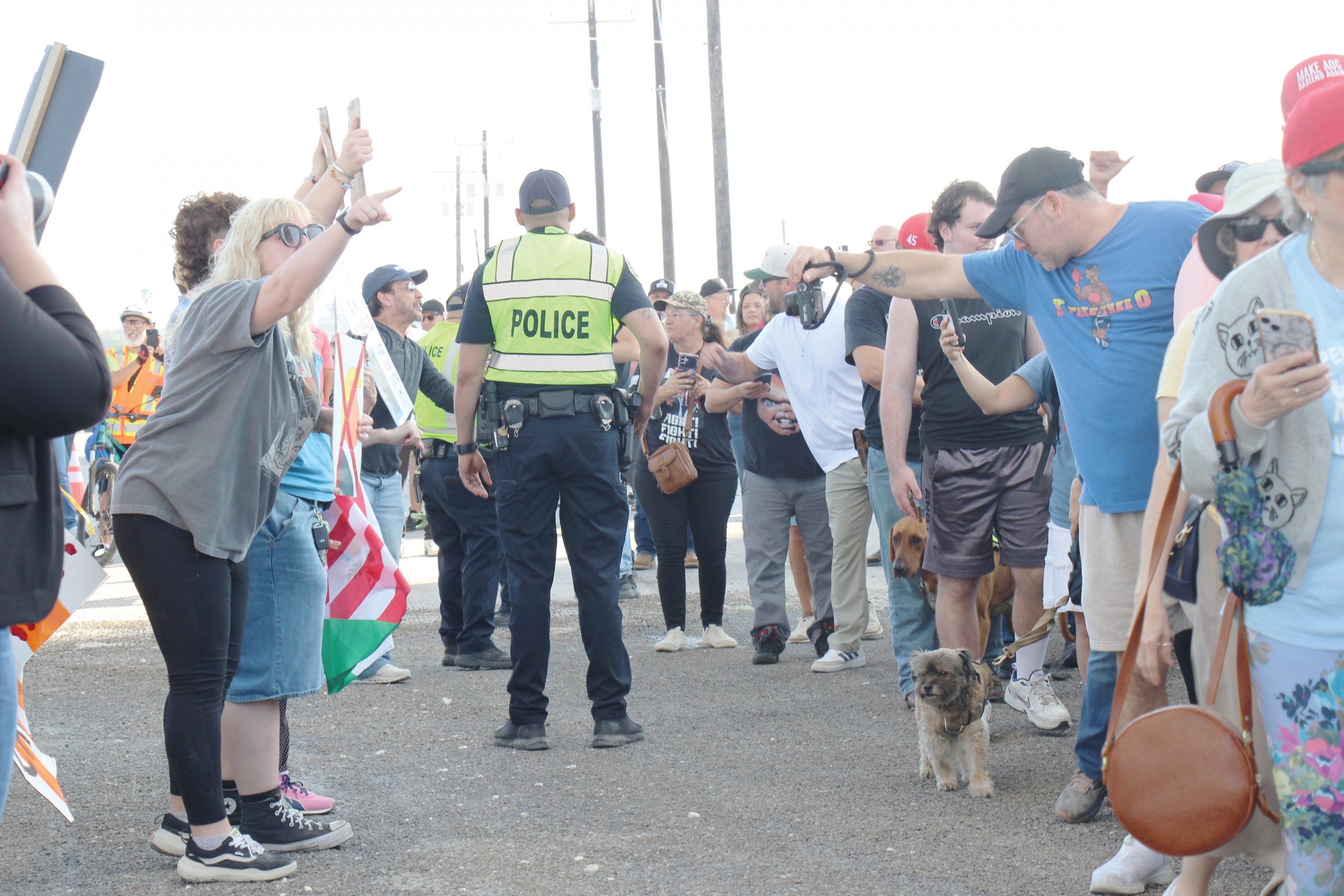
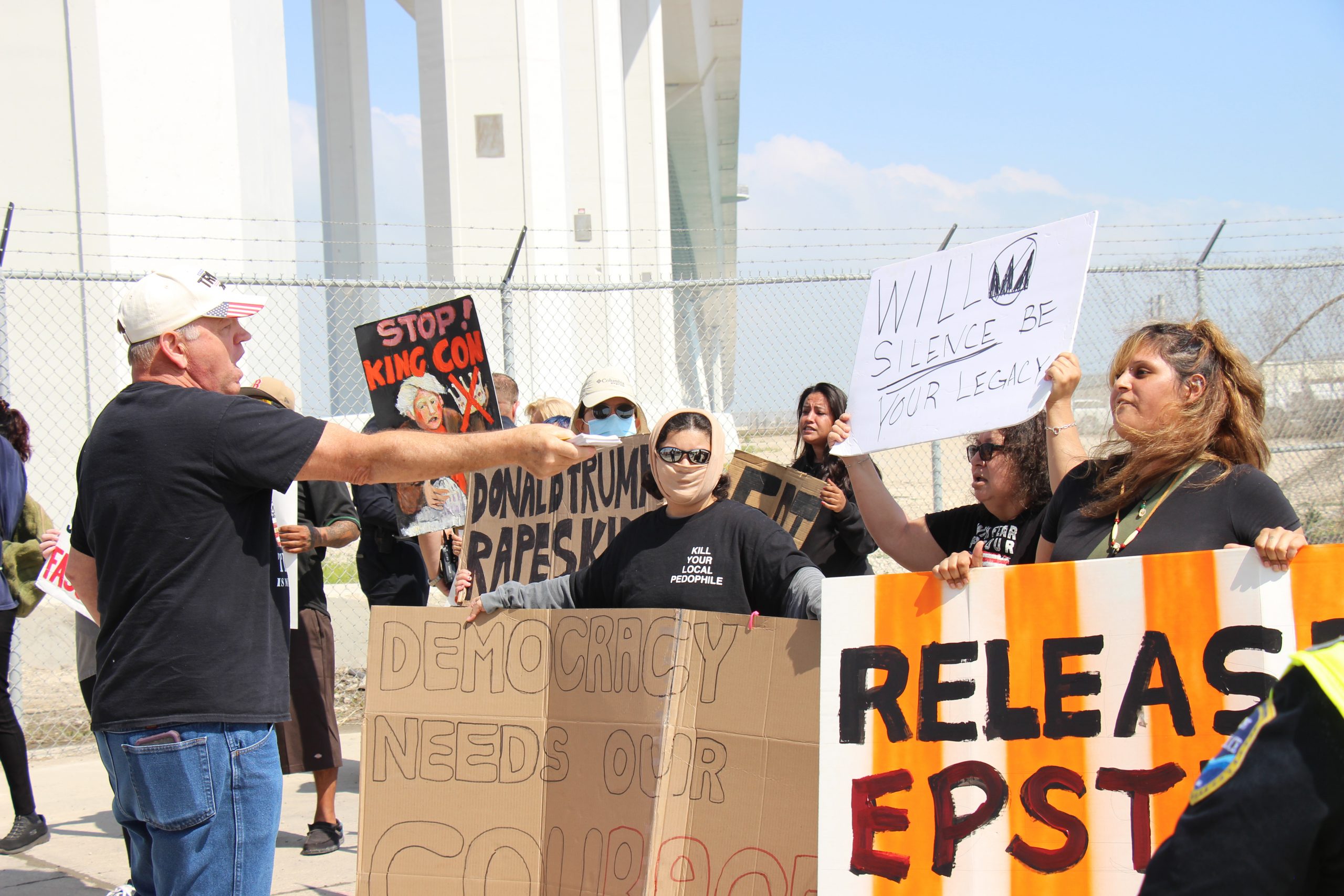
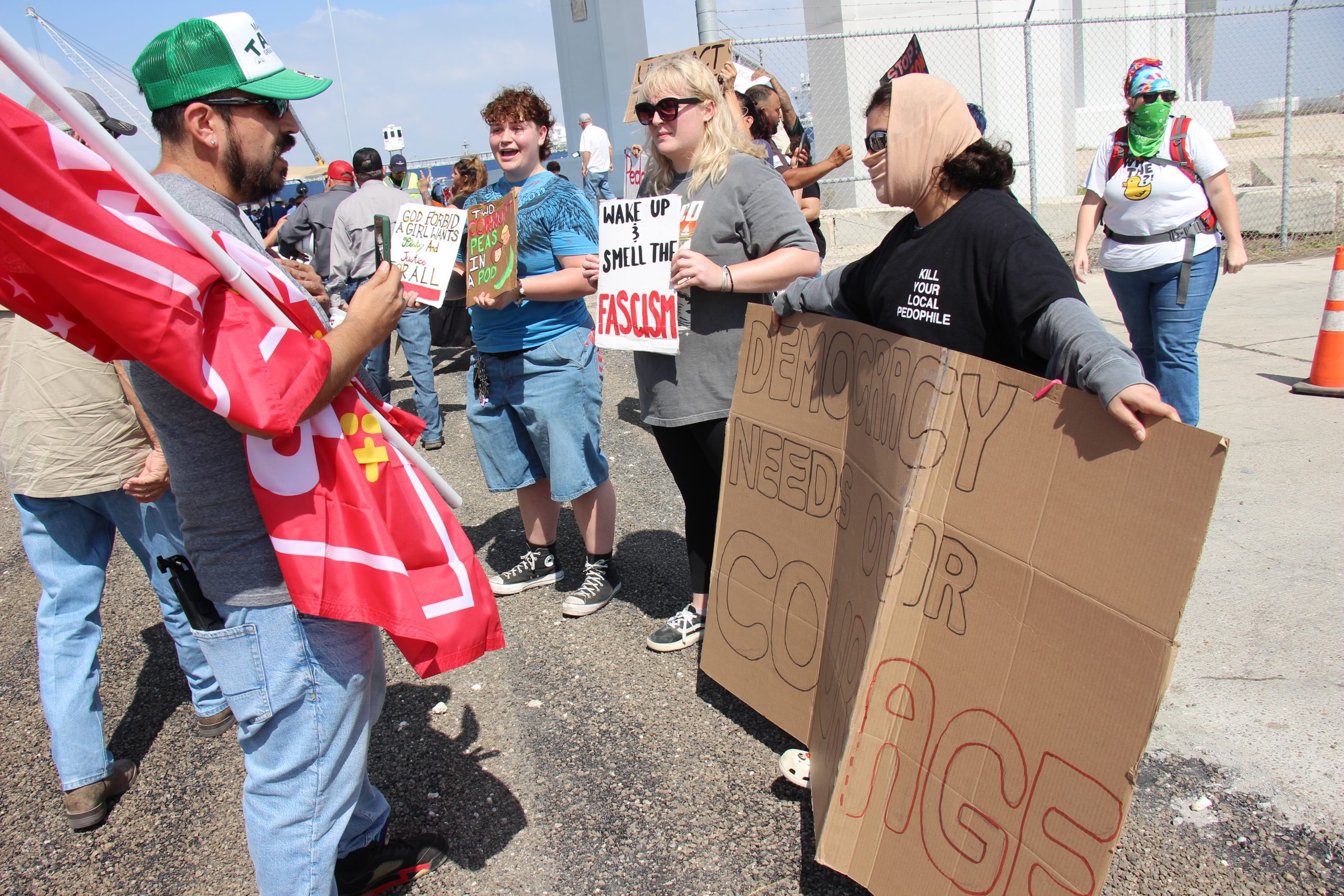
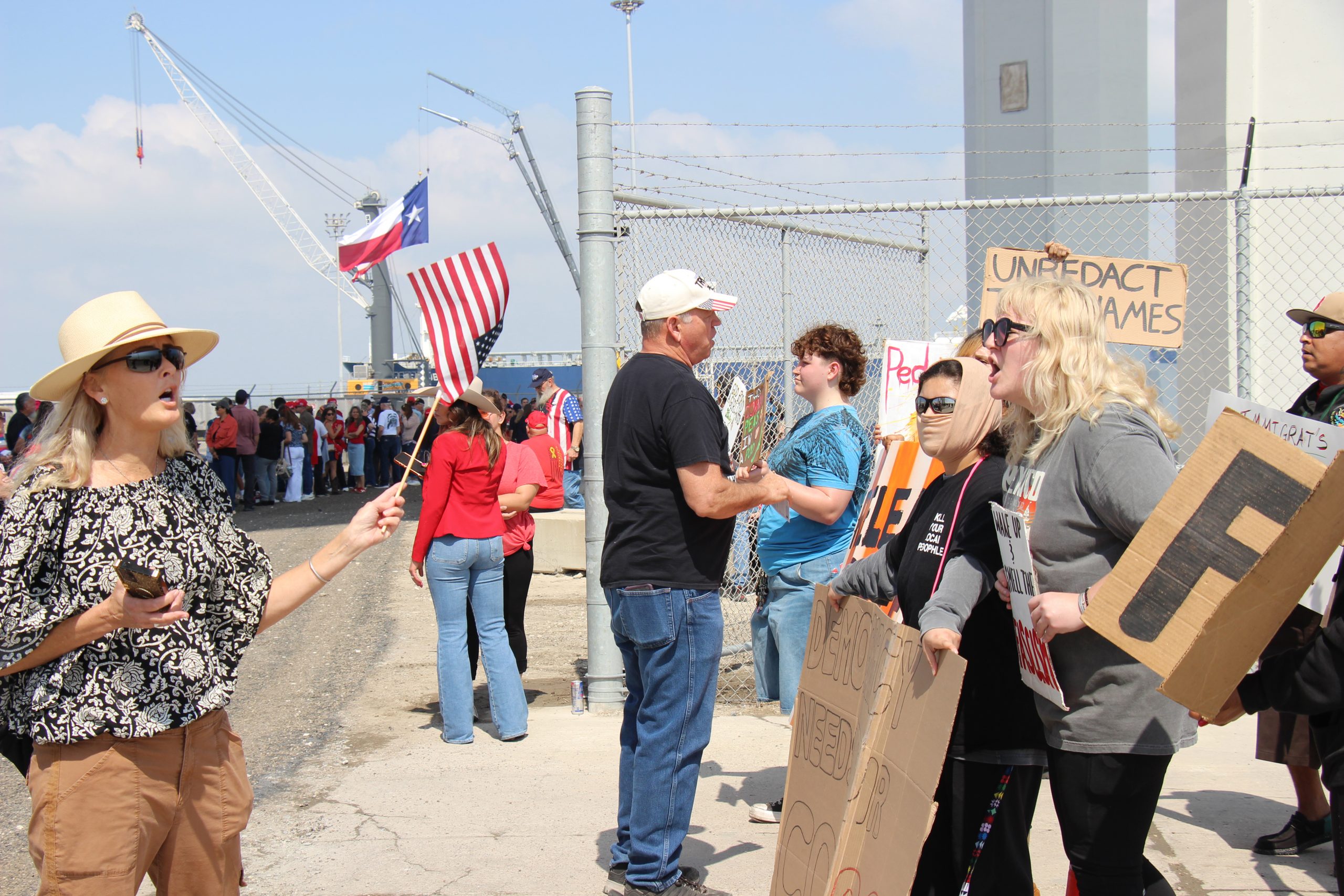
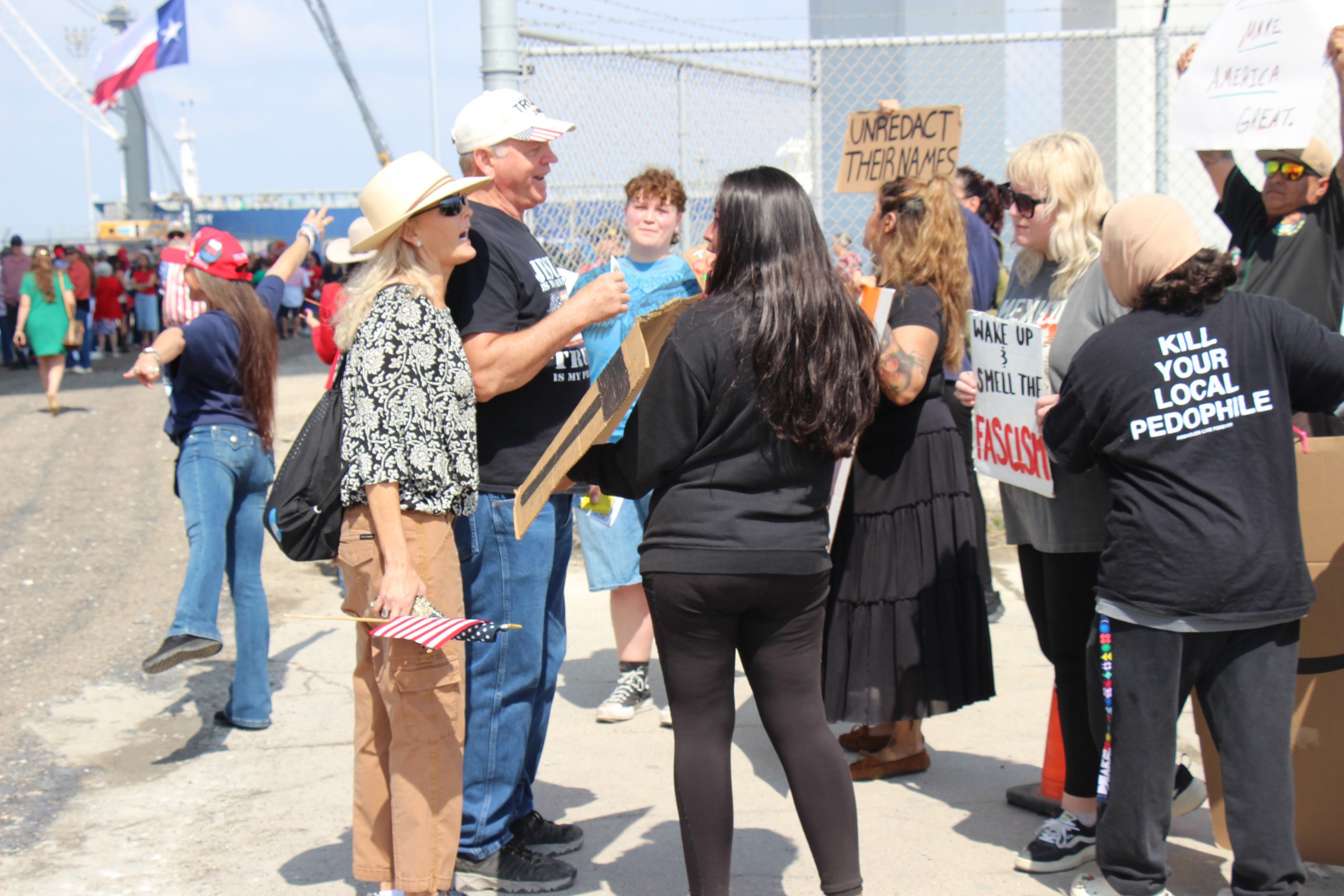
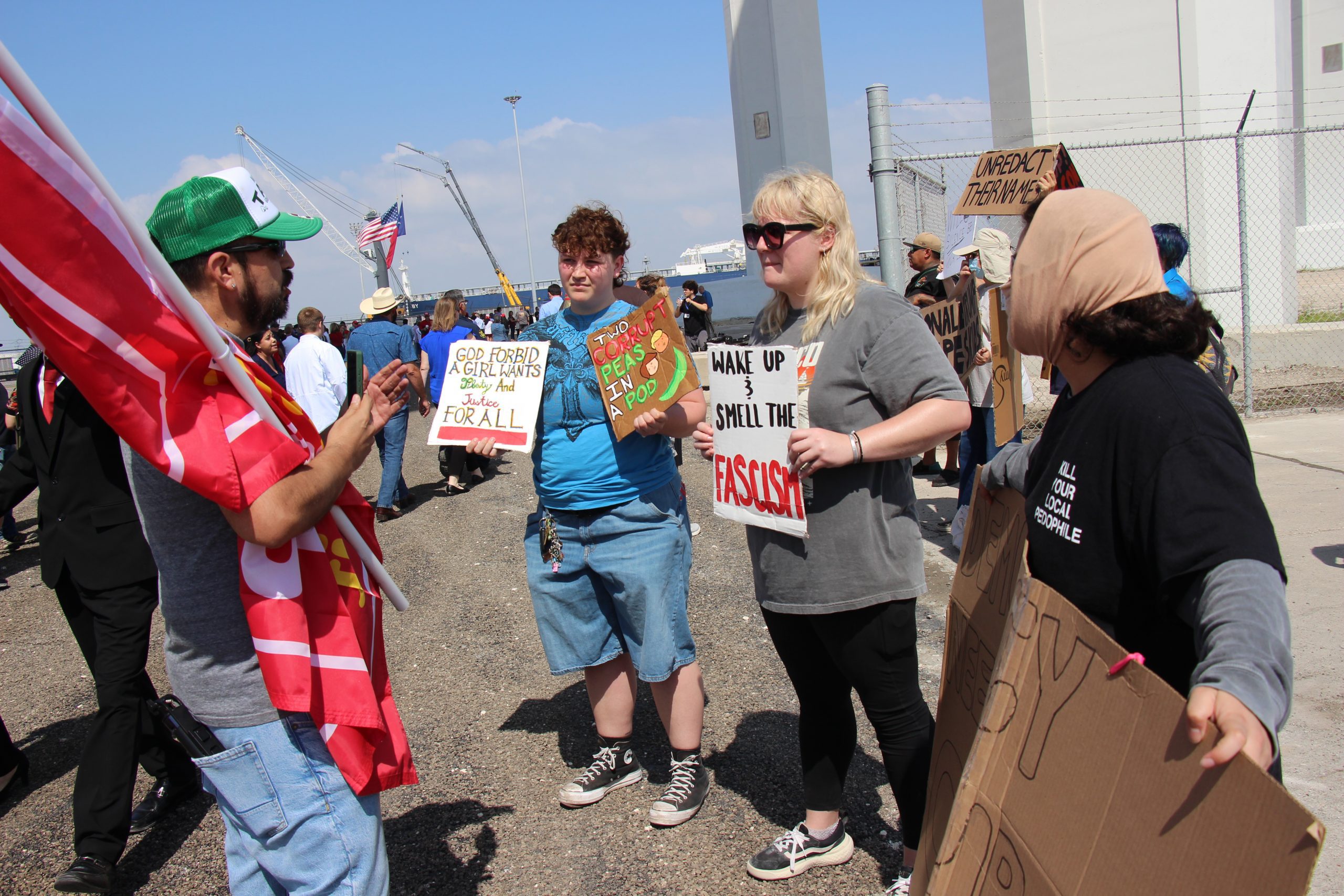
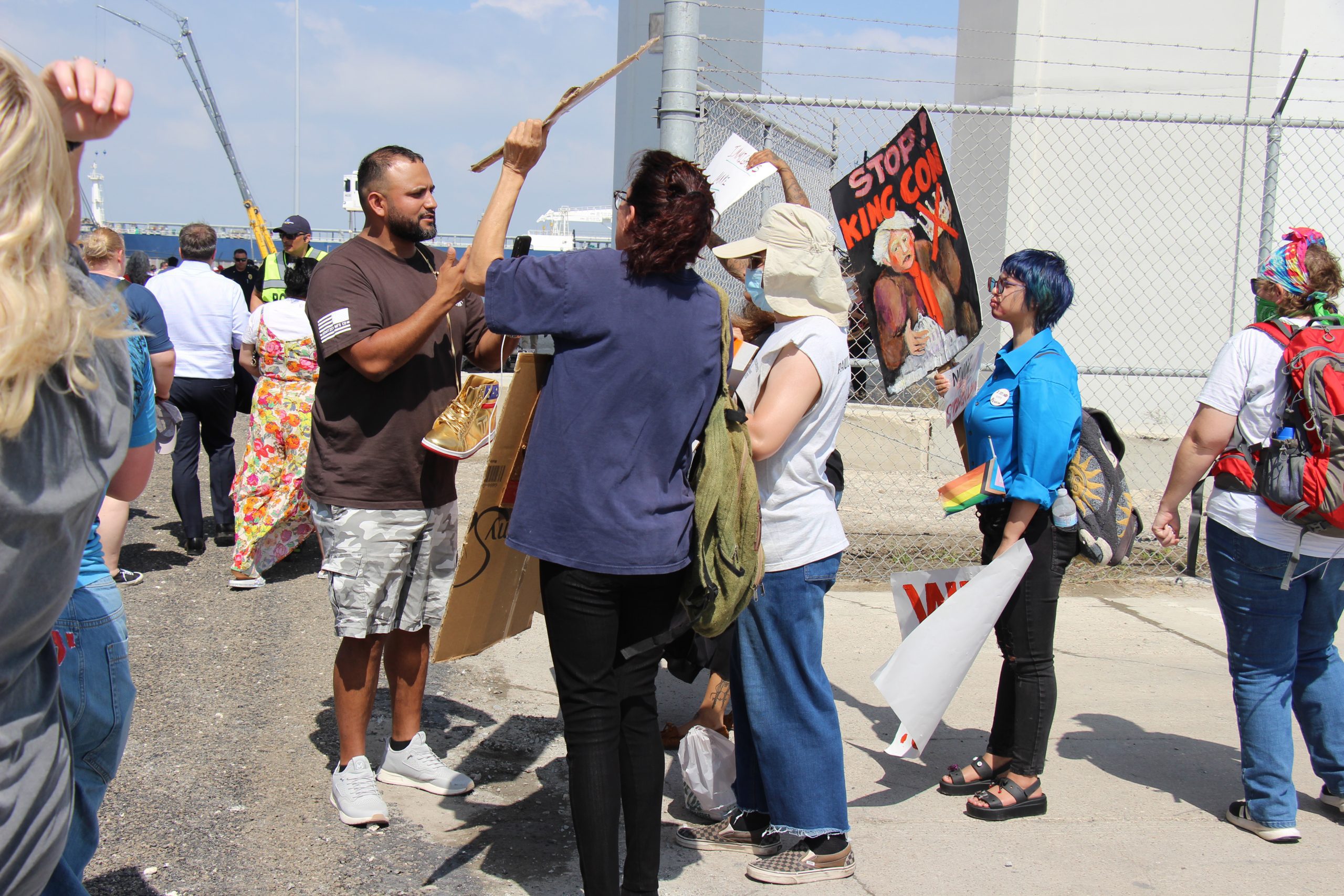
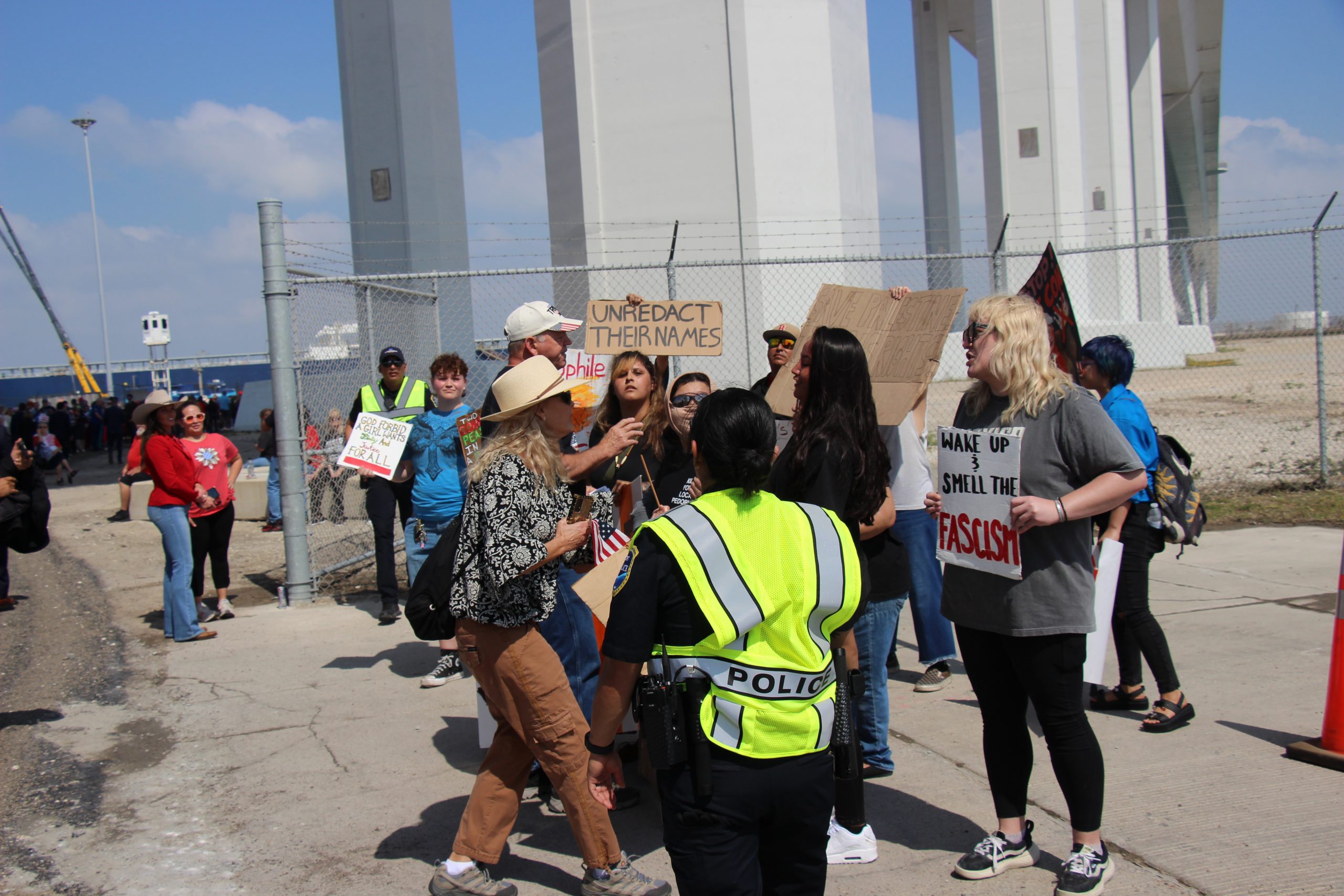
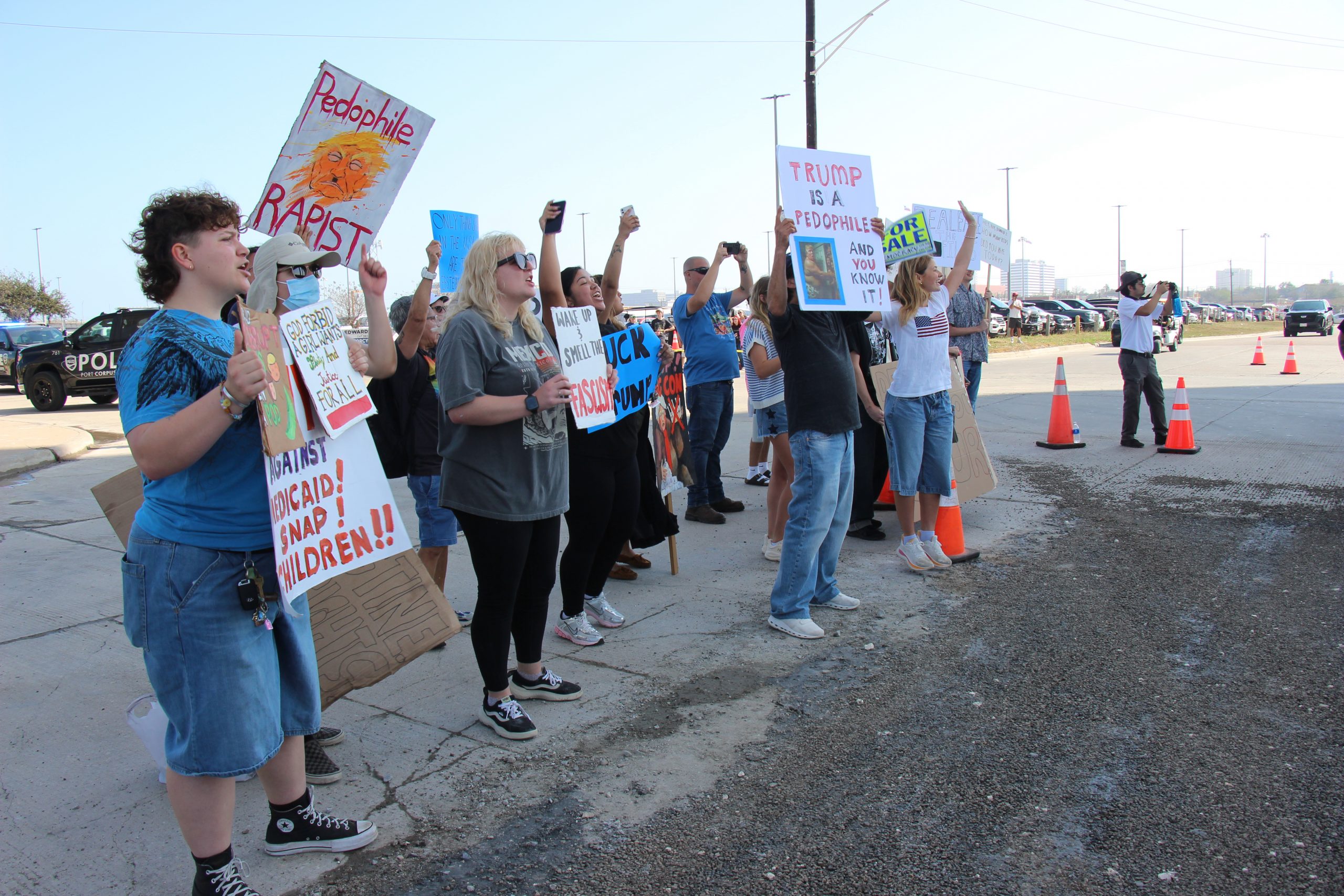
The chants had been growing louder as attendees began leaving the venue. Protesters gathered along the perimeter shouted phrases including “Fuck the press” and “Release the files,” referencing the Jeffrey Epstein case, as they directed their frustration toward the event as a whole.
Their voices carried across the exit pathways as attendees, media members and staff moved through designated routes monitored by law enforcement.
State troopers stood shoulder to shoulder forming a visible barrier between protesters and those exiting, attempting to maintain separation as tensions remained elevated.
Just hours earlier, I had been inside the venue documenting the event from a small platform designated for credentialed media. But getting there required persistence.
The moment I learned President Trump would be visiting the Port of Corpus Christi, I knew I wanted to cover it.
Opportunities to attend a presidential level event firsthand are rare, especially as a 20-year-old journalist still working to build experience and credibility. I did not have the backing of a large newsroom or a guaranteed press credential waiting in my inbox, but I was determined to find a way in.
I began making calls anywhere I thought information might exist, including the White House Press Office, the Nueces County Republican Party and contacts associated with the Port of Corpus Christi.
One phone call led to another. Each conversation provided small pieces of direction but rarely a clear answer. I left messages, followed up and continued asking questions, knowing that access often requires persistence.
Eventually, I was given a possible backup option to register as a guest if media credentials were not finalized in time. While that provided reassurance, my goal remained to attend as media rather than simply observe from the audience.
The morning of Feb. 27, I woke up early, prepared my equipment and drove to get coffee before making one more call to the White House to ask whether there had been any updates regarding press coordination.
I was given information about who was overseeing media access for the event, but I still did not have full confirmation.
At that point, I decided I would show up prepared and advocate for myself in person.
When I arrived at the port, I approached the media check-in area and explained who I was, the calls I had made and the information I had been given. The woman working the check-in table made a phone call to confirm the details I provided. Within minutes, she told me I would be allowed to enter as media.
In that moment, I realized persistence had paid off. Showing up prepared and willing to ask questions gave me access to an environment I otherwise might not have experienced. It was one of the boldest steps I have taken so far in my journalism journey, and it reinforced how important initiative can be when opportunities are uncertain.
All media were required to arrive by 8 a.m. so equipment could be inspected before entry.
Cameras, bags and recording devices were carefully reviewed before media were allowed into the secured area. After initial check in, journalists were instructed to temporarily leave the immediate space and return closer to the president’s scheduled appearance time.
When we were permitted back inside, additional restrictions were explained. A Secret Service agent informed reporters that still photography would not be allowed from ground level. Instead, all media were directed to a single elevated platform positioned diagonally across from the stage.
The platform was small and quickly became crowded as journalists adjusted tripods, repositioned cameras and worked to maintain clear views of the podium.
There was limited space to move once equipment was in place. After introducing myself to reporters from larger news organizations, I was able to secure a small spot among the group.
Standing shoulder to shoulder with journalists who regularly cover national political events felt both intimidating and motivating. From my position on the platform, I had a clear diagonal view of the stage framed by large American flags positioned behind the podium.
During the remarks, President Trump gestured toward the group of reporters positioned on the platform and referred to the media recording the event as “fake news.”
As someone attending my first presidential level event, the moment caught me off guard.
I had expected to observe the story, not unexpectedly feel part of the environment surrounding it.
The comment served as a reminder of the complex relationship that can exist between political leaders and the press responsible for documenting public appearances.
Despite the brief distraction, the platform remained focused as journalists continued documenting the event.
Outside the venue, the atmosphere remained markedly different. Lines of attendees stretched along the industrial surroundings of the port, where supporters dressed in red, white and blue stood near protesters holding signs and chanting loudly across barricades.
State troopers maintained visible separation between the groups, reinforcing the level of security present throughout the visit.
Inside, the environment felt more controlled. Music played as attendees took their seats, creating a noticeable contrast from the louder exterior environment.
President Trump’s remarks focused heavily on the Port of Corpus Christi as a major contributor to United States energy production, emphasizing the region’s potential for expanded drilling and continued economic growth.
Audience members responded positively during moments focused on Texas energy production, with applause and vocal reactions filling the venue.
As the event concluded, attendees exited through designated pathways while law enforcement worked to maintain separation between the departing crowd and protesters gathered outside.
It was during this transition that the water bottle was thrown, striking the outer corner of my eye and briefly interrupting my focus as I exited the premises. The injury caused temporary redness but did not require medical attention.
The contrast between the structured environment inside the venue and the charged atmosphere outside illustrated how differently the same event can be experienced depending on perspective.
President Trump’s visit brought national political attention to the Port of Corpus Christi and reinforced its role in ongoing conversations surrounding domestic energy production and economic development.
For me, the experience demonstrated the importance of persistence, preparation and the willingness to step outside of my comfort zone in order to pursue a story.